

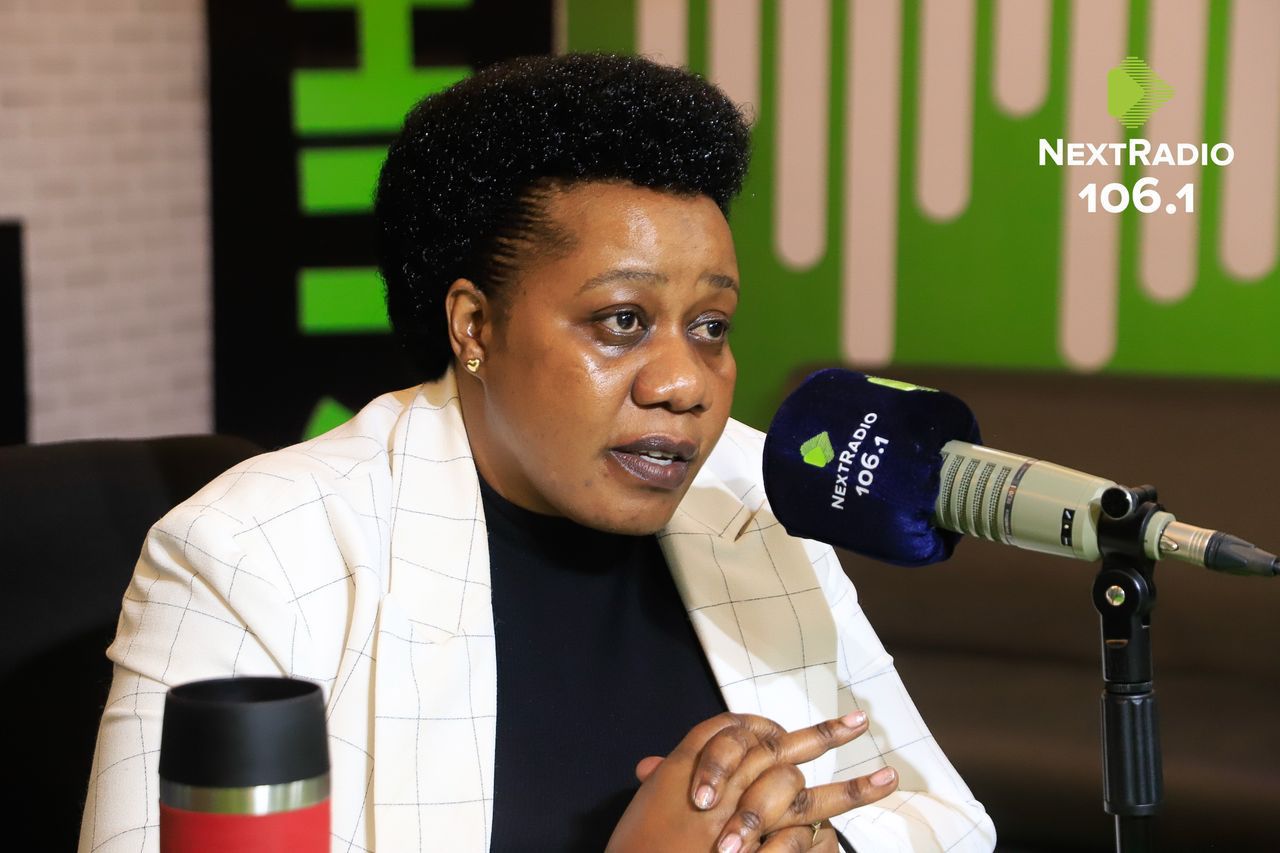
The Executive Director of the Centre for Constitutional Governance (CCG), Sarah Bireete, has slammed the Protection of Sovereignty Bill, 2025, as “crazy and unconstitutional” warning that it could significantly shrink Uganda’s economic and civic space.
Taking to her official X (formerly Twitter) account on Thursday, Bireete challenged the government’s framing of the bill, arguing that its scope extends far beyond regulating non-governmental organizations or safeguarding national security.
“The Minister framed this bill as if it’s about NGOs, government foreign dependency and cyberattacks in his remarks, but the bill will close the economic space in Uganda,” she wrote.
Bireete specifically pointed to the bill’s broad definitions of “agent” and “foreigner,” outlined in its preliminary provisions. According to the draft legislation, an “agent of a foreigner” includes any individual or entity acting under the direction, control, or financial support of a foreigner.
Bireete warned that such sweeping definitions could inadvertently target a wide range of actors, including diaspora Ugandans, cross-border traders, multinational employees, and even local individuals working with internationally funded organizations.
“The definitions of an agent and foreign agent target foreigners, foreign companies and their workers, Ugandans in diaspora, citizens trading outside Uganda, etc.,” she wrote, adding that the bill risks replacing “sovereignty of the people with Government.”
The proposed law—also referred to as the National Sovereignty Bill 2026—seeks to establish a regulatory framework for individuals and entities deemed to be acting on behalf of foreign interests. It designates the department responsible for peace and security under the Ministry of Internal Affairs as the central authority for registering and supervising such actors.
Among its key provisions, the bill requires organizations operating in Uganda to disclose any foreign funding within 14 days of receipt. It also grants the Minister of Internal Affairs expanded powers to monitor, regulate, and potentially restrict foreign financial involvement in activities considered detrimental to national interests.
Additionally, the bill introduces a broad category of “disruptive activities,” which includes actions deemed prejudicial to national security, participation in unlawful assemblies, and even engaging individuals to promote foreign interests. Critics argue that the breadth of these provisions could leave room for subjective interpretation and potential misuse.
Supporters of the bill, particularly within the ruling National Resistance Movement (NRM) Parliamentary Caucus, have defended the proposal as a necessary safeguard against undue foreign influence. They argue that tighter oversight of foreign funding is essential to preserve Uganda’s independence in governance and decision-making.
Government Chief Whip Hamson Obua has publicly backed the legislation, asserting that similar laws exist in other jurisdictions, including the United Kingdom.
“We were colonized by the British; the UK has similar legislation. So, we are not reinventing the wheel. The proposed law seeks to regulate foreign financial inflows to ensure they are for legitimate purposes and not harmful to Uganda,” Obua said following a caucus meeting at State House Entebbe on Friday.
“We want sovereignty 100 percent, and we want to secure that through this law.”
The caucus positioned the bill as a legislative tool to operationalize Article 1(1) of the Constitution, which affirms that all power belongs to the people and must be exercised in accordance with their sovereign will.
However, the proposal has sparked growing debate among civil society organizations, legal analysts, and policy experts across Uganda. Critics argue that the bill mirrors earlier regulatory frameworks targeting NGOs, particularly in its emphasis on foreign funding disclosures and increased ministerial oversight.
Observers note that while the terminology may have evolved, the underlying approach appears consistent with past efforts to tighten control over externally funded entities. This has raised concerns about a potential narrowing of civic space, reduced organizational independence, and broader implications for economic activity tied to international partnerships.
